First Marathon Finisher Gifts That Come From the Run Itself Not a Running Store
Preserve the marathon itself by turning GPS data and race details into a one-of-a-kind keepsake.
A meaningful personalized gift for a first-marathon finisher is made from the achievement itself, including a GPS route print, an embroidered keepsake with race and training data, or a shadow box holding the runner’s bib and medal. The right choice depends on what the runner wants to preserve and what information the giver has.
Why a first marathon demands a different kind of gift
The Saturday long runs start well before race day. The GPS watch charges the night before, while the next morning’s miles already have a place in the calendar. Pre-dawn starts and bad-weather runs become part of a training block that reorganizes several months of ordinary life. By the time the runner reaches the start line, the event has already demanded much more than a single day. The finish makes that effort visible to everyone else.
That distinction sets the standard for the gift. A first marathon is one crossing built from months of accumulated effort, so a keepsake should recognize more than the moment captured in the finish-line photograph. Every finisher gets the same medal, and that shared recognition has a purpose. A personal gift has a different job. It can identify what made this runner’s path to the finish their own, whether through the course they followed, the time they recorded, or the miles that prepared them.
The reasonable objection is whether any thoughtful gift is enough. A gift should show thought, and running gear that meets a need can do that. But gear answers a practical need, while a run-sourced keepsake answers a commemorative one. When the purpose is to honor a first finish, the strongest connection comes from details that could not have been selected before the runner did the work.
What makes a gift feel like it came from the run
The defining feature is dependence on the runner’s specific record. A GPS file, finishing time, bib number, or course adds details that a gift off the shelf does not have. The things the race gives out already mean something, but they are part of a system that honors all finishers. Personalization distinguishes one finisher’s experience within it.
The test is whether the same gift could have been given to any runner, for any race, at any time. If so, it is still a store gift, however much it helps the runner or pleases the eye. If its design requires this runner’s route, time, or training data, it comes from the run. The source is what makes the difference.
This approach follows how runners already describe their achievements. They share GPS routes on Strava, post finish-line photographs, and treat race data as a form of personal biography. The giver’s attention becomes part of the gift through knowing the route, looking up the time, and recognizing which details deserve to remain visible.
How GPS data becomes the raw material for a physical keepsake
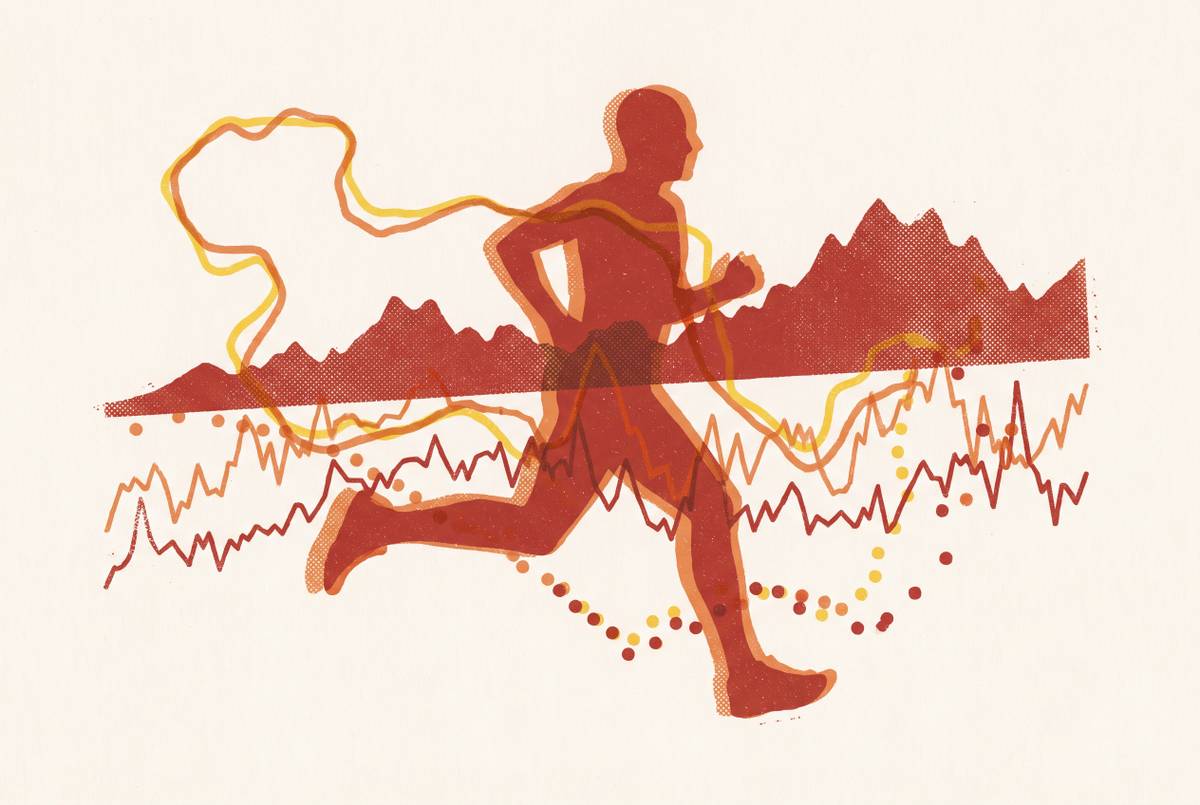
A GPS file gives the achievement a visible shape. From Strava, Garmin, or a GPX export, the recorded route traces where the runner went as a line. Once cleaned up and rendered, that line can become a map print, a 3D terrain sculpture, or an embroidered path. A course that once existed as an activity on a screen becomes something with a physical place in the runner’s life.
Printmyroutes.com turns real GPS routes into custom 3D topographic sculptures and accepts a GPX from Strava, Garmin, or another tracking app. Cadenceprints.com offers custom Strava map prints from Strava activities or GPX files. These are established ways of working with recorded routes. Etsy’s “Chicago Running Route 3D Wooden Map - Personalized Race Gift” shows another material approach, rendering the course’s elevation and terrain as a raised surface.
The most effective design need not contain much decoration. A clean route line, restrained palette, one line of text, and enough open space allow the course to remain legible. The finishing time and race date can anchor that shape to the occasion. To make this kind of gift, the maker needs a Strava link or exported GPX file, along with the race details.
What the training block adds to the picture — and why it belongs on the gift
A course map records the day that everyone knows about. The training data records the preparation that gave the day its weight. A standard marathon training block runs roughly 16 to 20 weeks, organized into a base phase, a build phase, a peak phase, and a taper. Within that structure, recorded long runs have their own dates, distances, and routes. The race file is therefore the endpoint of a much larger personal record.
Those activities accumulate into weeks of training, total miles logged, and a long-run progression. Strava or Garmin can hold that history in the runner’s account, even when the public celebration centers on the finishing time. The totals belong to this particular buildup. Including them on a gift recognizes the discipline of returning to the work, rather than presenting the marathon as an isolated performance. That is especially appropriate when the giver wants to acknowledge what happened before race weekend.
A keepsake that combines the course with weeks logged, miles run, and the race date gives both parts of the achievement a place. The route supplies the shape, while the training totals supply its context. Neither needs to overwhelm the other. A restrained design can preserve the distinction between preparation and completion, instead of turning the object into a crowded activity report.
Embroidery and made-to-order production as a different kind of permanence
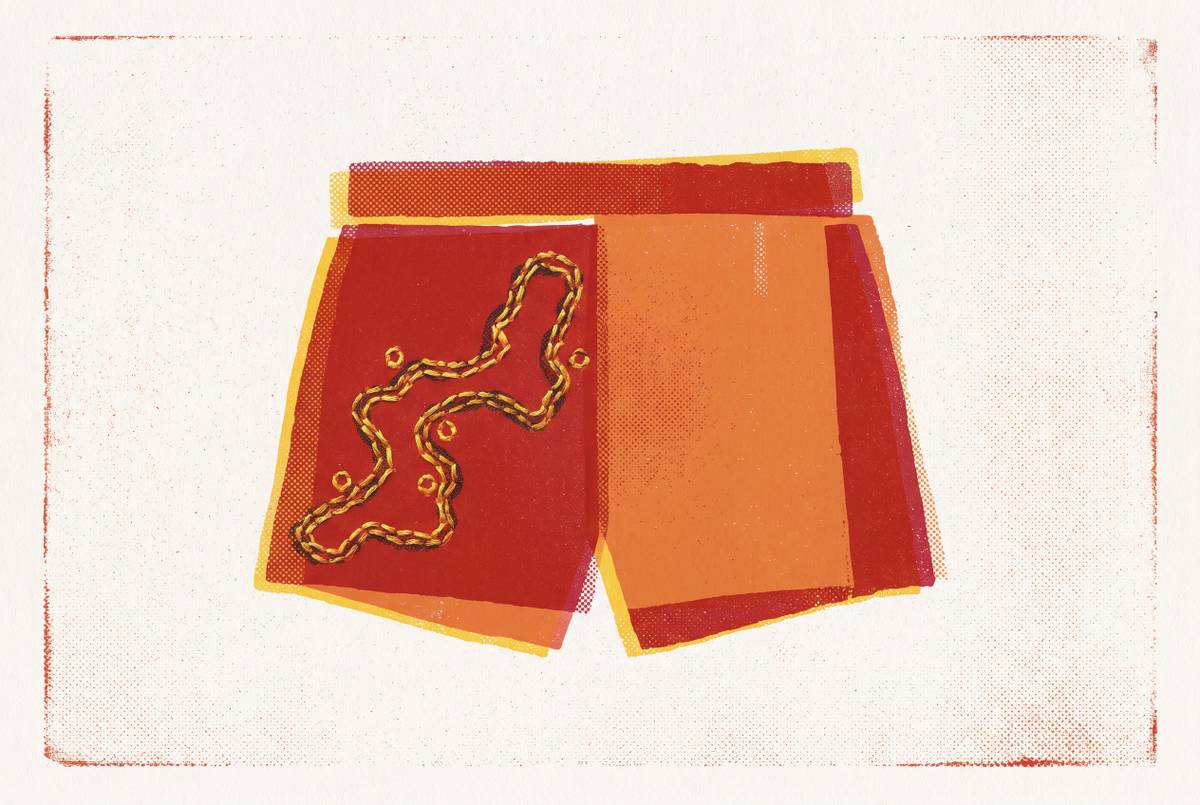
Embroidery gives the record a different physical form from print. The thread is in the fabric. On apparel, the result is a wearable artifact. It need not remain in a frame to keep the achievement close.
This format suits runners who want to take the memory back into use. An embroidered garment can go out on a later long run, bringing a record of the completed effort into the next one. A print instead gives the same history a fixed place on a wall. The runner’s preference for how to live with a personal record determines which form fits.
The runner’s name, course, time, and training data must exist before an object based on them can be completed. Small studios that take on only so many custom orders per month can give each piece more care than when making stock for a buyer they have yet to meet. That care takes production time after the race. Custom embroidery usually ships in approximately two weeks plus transit, so it works better as a gift planned for after the race than as a finish-line surprise.
Displaying what the race left behind — bib, medal, and shadow box
A bib and medal need no invented significance, but a drawer or doorknob gives them little chance to be seen. A display gift gives those same objects a new place in the runner’s life. Its contribution is recognition through presentation. The giver makes room for what the runner brought home.
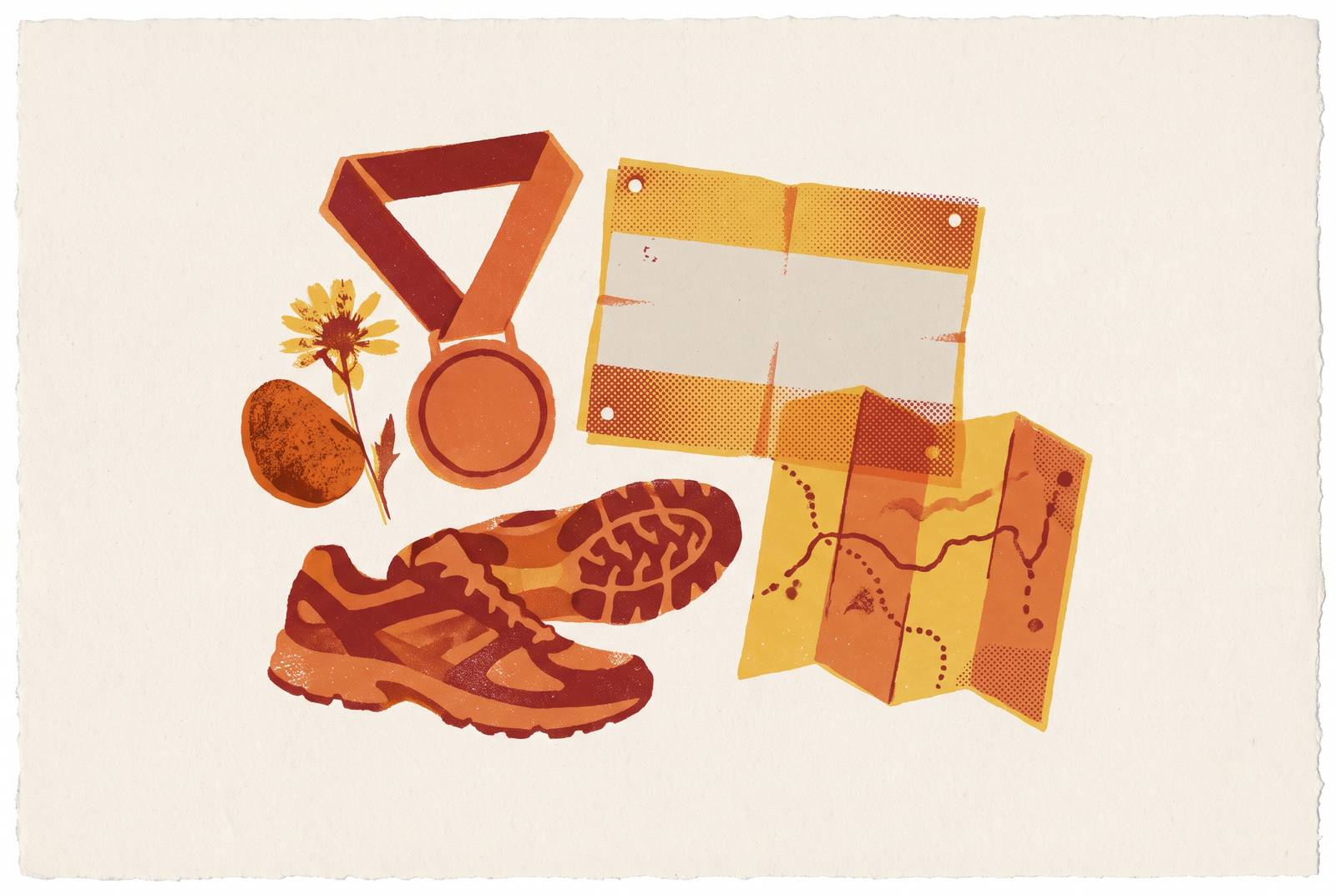
A shadow box can combine the bib, medal, and a race photograph in one frame. Each item has its own link to the day, and the frame shows them together. Etsy’s “Personalized Shadow Box Display for Marathons and Triathlons” serves this purpose. Part of what makes it personal is how the runner’s own keepsakes are arranged, while a gift made from a digital record puts that data into a new material.
This is an accessible choice without a Strava link. A giver who knows the importance of the race but does not have access to the runner’s activity history can still offer something closely connected to the finish. The category sits at the edge of the run-sourced definition because the gift houses the evidence. Display gifts honor what already exists, while data-based gifts go further by creating a new object from the record.
The practical question of timing and what information the giver actually needs
Timing poses the main execution risk. A gift based on the completed marathon needs the completed marathon’s data, so it cannot be finalized on the same basis as something purchased before the start. For a GPS route print or embroidered item, the usual inputs are the runner’s Strava profile link or exported GPX file, official finishing time, race date, and race name. Designs that show the training also need the totals for those weeks and miles. The information required follows directly from what the object will show.
Much of that information is public or easily requested. Official finishing times are available from race results pages within hours of the finish, and many runners make their activities public. A missing Strava link need not stop the process. Asking the runner for their GPX file signals an interest in the run itself, even if it means the gift will not be a complete surprise. For a giver in that position, a direct request is a practical route to the right source material.
How long an Etsy route print takes depends on the seller, and digital or print-on-demand formats may arrive sooner than custom embroidery. The “Custom Race Map Print” listing offers a digital or print-on-demand format with free shipping. These differences make timing a selection criterion. A gift given two or three weeks after the finish can hold the actual route and recorded result. The delay is evidence that the object could only be made after this race.
What each gift type is actually suited for — an honest guide to choosing
The useful criteria are the giver’s access to information, the available budget, the timing, and whether the runner prefers to wear or display the memory. The relationship helps define that access. Someone who followed the training block may be well placed to assemble a data-rich keepsake, while someone who knows the race but not the training history may find a display gift more appropriate.
For a runner who wants something for the wall, a custom GPS route print puts the course at the center. Etsy’s “Personalised Marathon Completion Map: Runner Gift, New York or Any Race” is the low-cost entry, while the Chicago wooden map is the higher-end option in a different material. The route print offers a flat graphic presentation, while the wooden map has a raised surface. How much the giver can spend and what the runner wants to display can guide the choice, and either can show equal care.
For a runner who wants the memory in use, embroidered apparel combines a wearable object with race details and, where included, training totals. It fits a giver who has access to the data and can allow for made-to-order production. A city-specific marathon charm offers a smaller wearable connection. THERSIPO offers charms for New York, Chicago, Berlin, Boston, London, and Tokyo. A charm identifies the race city, providing a different degree of personalization from records of the runner’s exact route or buildup.
For a giver without GPS access, the shadow box makes the runner’s existing bib, medal, and photograph the focus. It suits someone who cares more about the things they brought home that day than a new image of the course. There is no single best format for every finisher. Any of these options, chosen deliberately, can say something a foam roller cannot, namely that the giver paid attention to the run.