Why the Best First Marathon Gift Comes From Someone Who Has Stood at Mile Twenty
A fellow runner knows why the route, time, and training months belong together in one gift.
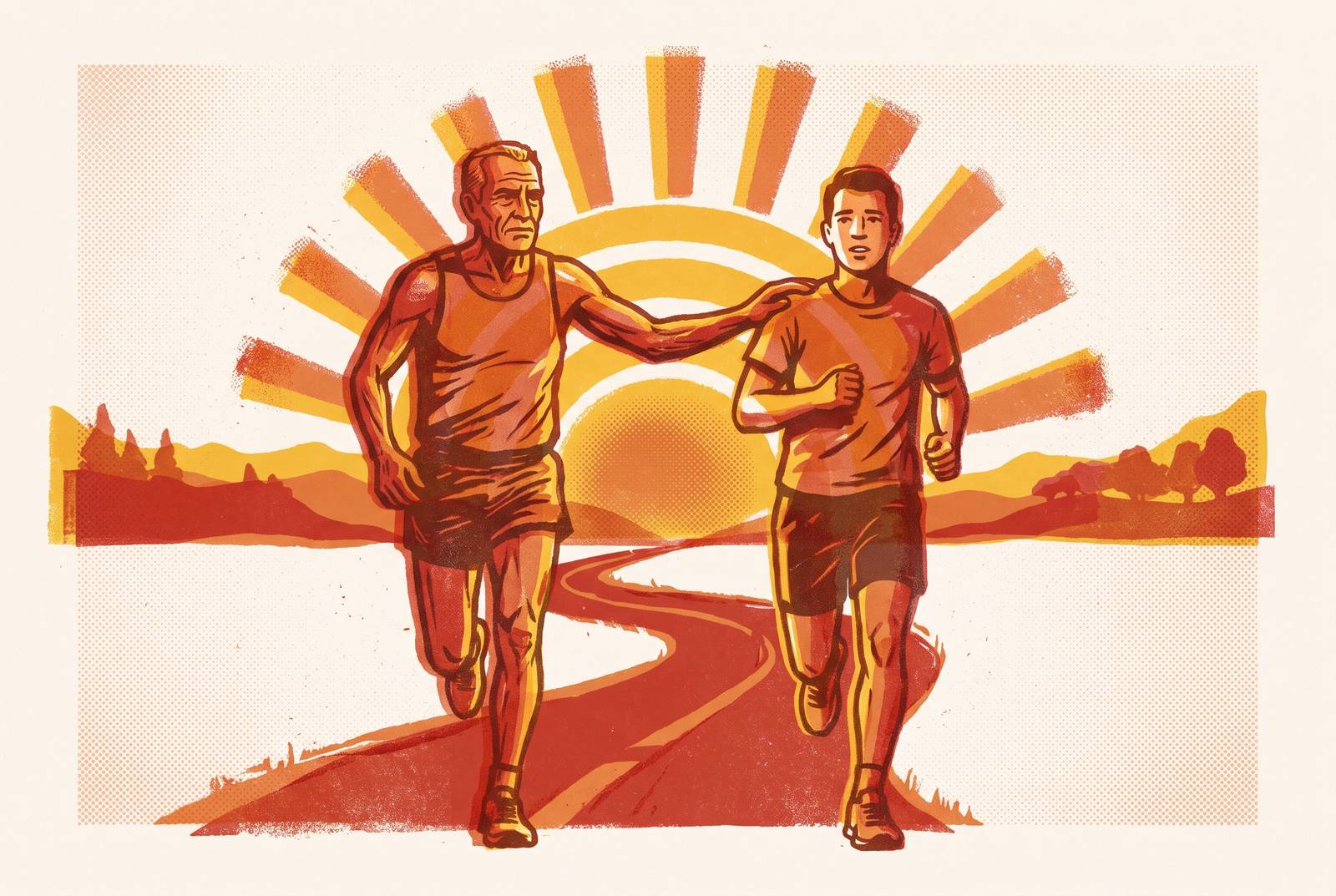
The best gift for someone who just ran their first marathon is a personalized keepsake that records the route, finish time, and training that made that distance possible. Custom GPS route art and made-to-order embroidered apparel can express that story in different forms. A fellow runner knows why these details belong together, because standing at mile twenty teaches what the finish alone cannot show.
What mile 20 actually is and why only runners know it
The wall is glycogen depletion. It falls at miles 18–22, making that stretch physically different from the miles before it. The runner is no longer simply extending an effort that has already become familiar. They are bargaining with a body that has less fuel left, while the finish is still ahead. That is the concrete experience behind the phrase “stood at mile twenty.”
A spectator sees the struggle from the outside. A runner who has encountered the wall recognizes the internal negotiation, including the cost of continuing when the body is asking for something else. The memory of encountering the wall gives a fellow runner a particular frame of reference for the achievement, lending significance to details another giver might overlook.
What a first marathon actually costs the person who runs it
The preparation begins well before the race-specific training plan. For a true beginner, three to six months of base-building may come first, placing the commitment across the better part of a year. Race day is therefore the visible conclusion of work that began long before there was a finish time to record. The starting line itself has already been earned. Someone who has followed that same progression recognizes preparation as part of the achievement.
Training can leave a runner in near-constant fatigue, with an appetite that never feels satisfied, sleep perpetually in deficit, and legs that feel dead. These sensations last through ordinary weeks before the runner has raced a single mile. A fellow runner sees a finish time against that accumulated physical load and the hours spent on the course.
Social plans move around long runs, household rhythms adjust, and partners and families absorb the residual exhaustion. In that sense, the marathon becomes a collective undertaking even though only one person crosses the line. A giver who thinks only of race day can miss how much others have put into it. A giver who has trained for the distance knows that the result also represents months of rearranged lives.
Why the finish line produces emotions that catch even experienced runners off guard
Crossing the finish line releases more than the discomfort of the final miles. Months of accumulated physical and emotional load converge in a single moment, and the intensity can surprise the person experiencing it. Relief is only one part of the response. The runner has finished something that took up their time and changed their routines, and that they were unsure they could do despite all the preparation.
The finish also changes the evidence a person has about themselves. Someone who doubted whether they could complete a marathon now knows that they can. An intention has become an achievement, and that revised self-perception can extend into other areas of life. A first-marathon keepsake marks this threshold, rather than simply documenting participation in an event.
The emotion reaches beyond the runner as well. Spectators can respond deeply to a finish even when they have no connection to the person crossing the line. Their response is genuine, but a fellow finisher brings recognition as well as empathy. They know how much can arrive at once in those final steps. That knowledge gives commemoration a clear purpose, preserving a particular achievement while its emotional meaning is still close.
The post-race flatness that makes commemoration more than a nice gesture
The finish-line high can be followed by an unexpected flatness. After the intensity of race day resolves, runners may feel down or empty. The contrast can be difficult to reconcile with having achieved the goal. A meaningful gift addresses that gap by giving the experience a lasting material form before its immediate vividness fades. Its value lies in providing something the runner can return to.
The standard rewards serve a different purpose. Everyone gets the medal, shirt, and mylar blanket right away to mark that they have finished. They do not record the individual training arc or explain what this particular runner invested in reaching the course. A personal keepsake can preserve those distinctions after the legs have recovered and the excitement has subsided. It makes the work available to memory in a form more specific than the event’s common symbols.
Any thoughtful person can give such a gift. A fellow runner who has experienced post-race flatness understands why the gift’s timing has significance. They are not merely choosing something attractive to celebrate good news. They recognize the interval between an intense achievement and the quieter days in which the runner must make sense of it. A gift offered with that understanding honors the experience rather than allowing its meaning to end with the celebrations.
Why generic gifts miss what the runner actually went through
A generic gift can be useful and warmly received while still leaving the central achievement unacknowledged. Foam rollers, massage guns, and compression socks help with how the body feels after the race. That is a legitimate act of care. Their limitation is one of scope, because they respond to tired muscles rather than the months of work or the personal meaning of finishing.
Flowers, celebratory meals, and congratulatory messages belong to the immediate celebration. They make the moment warmer, but they do not provide the same lasting record as an object tied to the runner’s own experience. A first marathon establishes something the runner can remember long after that weekend. The keepsake has a longer task to perform.
It is fair to worry about how much made-to-order gifts cost and how much work they take. Yet the relevant comparison is not simply between a personalized object and something easier to buy. The runner has committed months of Saturdays, early mornings, and adjusted plans to this goal. A gift need not reproduce that effort or match it financially, but it should acknowledge its scale. The decisive criterion is therefore specificity, with the strongest choices connecting the person, the course, and the preparation.
What do you get someone to celebrate completing a marathon?
GPS route art makes the course itself the subject of the gift. A custom poster drawn from the runner’s actual Strava data or GPX file can include their name and finish time, recording what they ran. The route gives the achievement a recognizable shape. For a first-time finisher, that distinguishes a personal record from another general symbol of marathon participation. Its strength is the direct connection between the object and the runner’s own race.
MyAdventureMaps offers custom race posters made from Strava data or a GPX file, personalized with the runner’s name and finish time. They come as an instant digital download or a premium 240gsm wall print from €24.95. Pre-loaded routes include Amsterdam, Rotterdam, London, Berlin, Paris, New York, Chicago, and Boston. A file upload requires no MyAdventureMaps login. Exporting the GPX from Strava, however, requires the giver to be signed into their own Strava account.
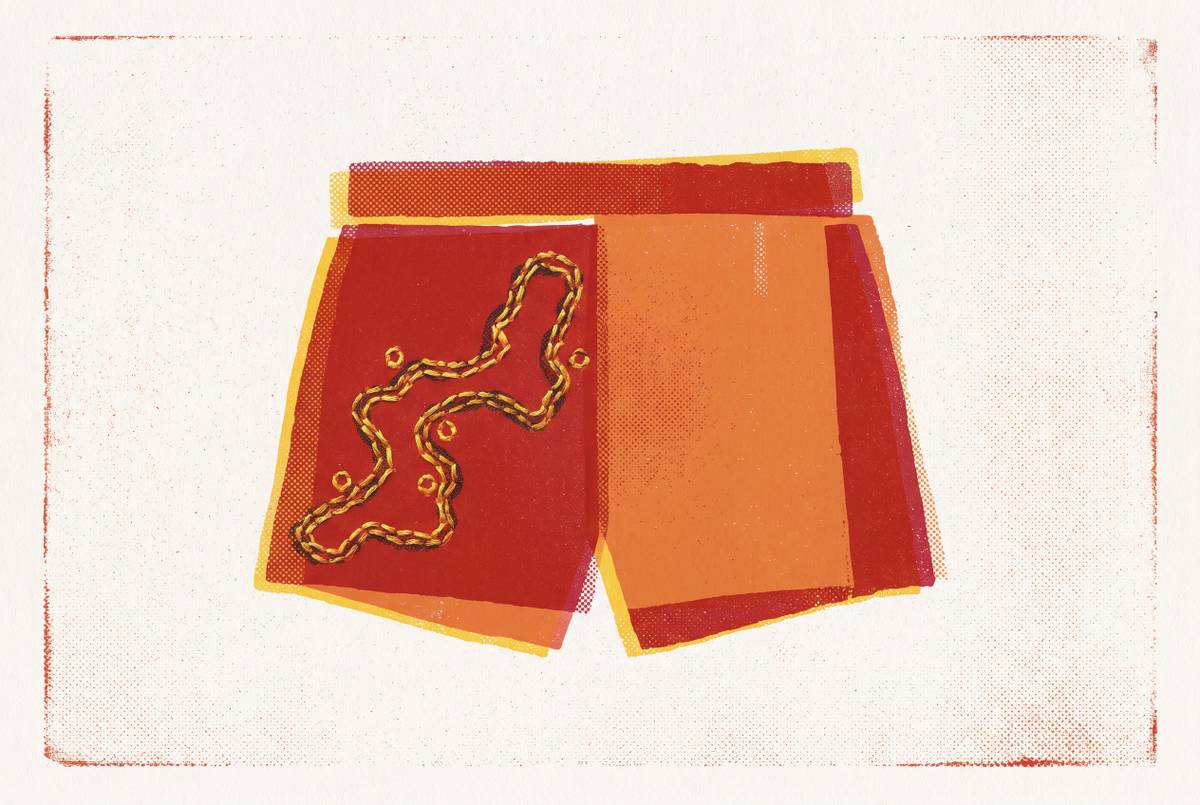
Made-to-order embroidered apparel gives the keepsake a different role. It takes the route and numbers off the wall and puts them onto something the runner can wear. The distinction is between display and use. Its production also reflects the personal nature of the gift, because nothing is made until it is made for that specific person. A framed route stays on view at home, while the runner can wear an embroidered piece long after the celebration.
The Strava activity, GPX file, finish time, and bib number connect the finished object to a person. The giver may know those details through their bond with the runner or find them in public records, but it takes care to see why they matter. Lead time also shapes the choice. A giver familiar with tapering and race-week logistics has reason to consider the keepsake during the buildup, while leaving the final race details to be added once the result exists.
How to get the data you need without asking the runner directly
A public Strava activity can make a surprise route gift possible without access to the runner’s account. The giver can open the posted activity and export its GPX file while signed into their own account. The runner’s password is not needed. MyAdventureMaps describes this sequence in its gift guide, moving from the public activity to the exported file and then to the upload.
Major marathon organizers share results that can be searched by name. Those results provide a separate route to the finish time and bib number, so the giver does not necessarily need to ask the runner for every detail. For made-to-order embroidered pieces, the runner typically approves a proof before stitching begins. That leaves room to confirm the final design. It also means the initial gift can remain thoughtful without requiring every detail to be settled in secret.
Digital downloads from GPS poster services can be available within minutes, making them suitable for last-minute gifting. Embroidered pieces require more lead time. A giver choosing that format should consider the gift during the training block. Planning can happen early even when the finish time cannot.
Why the training goes on the gift, not just the finish
The race route and finish time identify the event, but training details give the keepsake its full scope. Weekly miles, long runs, and weeks of buildup record the work that made the result possible. They belong to the achievement itself. The standard medal marks the distance run on race day, while a gift can also keep a record of the training that came before it. This is where personalization becomes more than adding a name.
A fellow runner understands the significance of the 20-miler in the rain six weeks out. That run was part of the marathon’s cost, even though it happened away from the crowds and never appeared in the official result. Including it is an act of precision. It acknowledges that the ability to continue at mile twenty was built through earlier efforts. The gift links the finish that people saw to work that few of them saw.
A route on the wall can bring the achievement into view again, while an embroidered piece can be worn on the next long run. Neither needs to imitate the finisher medal. The best first marathon gift is one the runner returns to on the next training run, before the next race, or when they need to remember why they do this. Someone who has stood at mile twenty understands why that memory deserves to remain within reach.