How Runners Talk About Their Races After the Fact
Runners use a shared vocabulary to transform race results into meaningful stories.
After a race, runners use a shared language to turn physical effort into a story they can understand and carry forward. Their talk of tempos, PRs, hills and the wall is more than a recap. It is how they absorb what happened, reconcile the result with their hopes and begin to decide what comes next.
The words runners reach for when a race is over
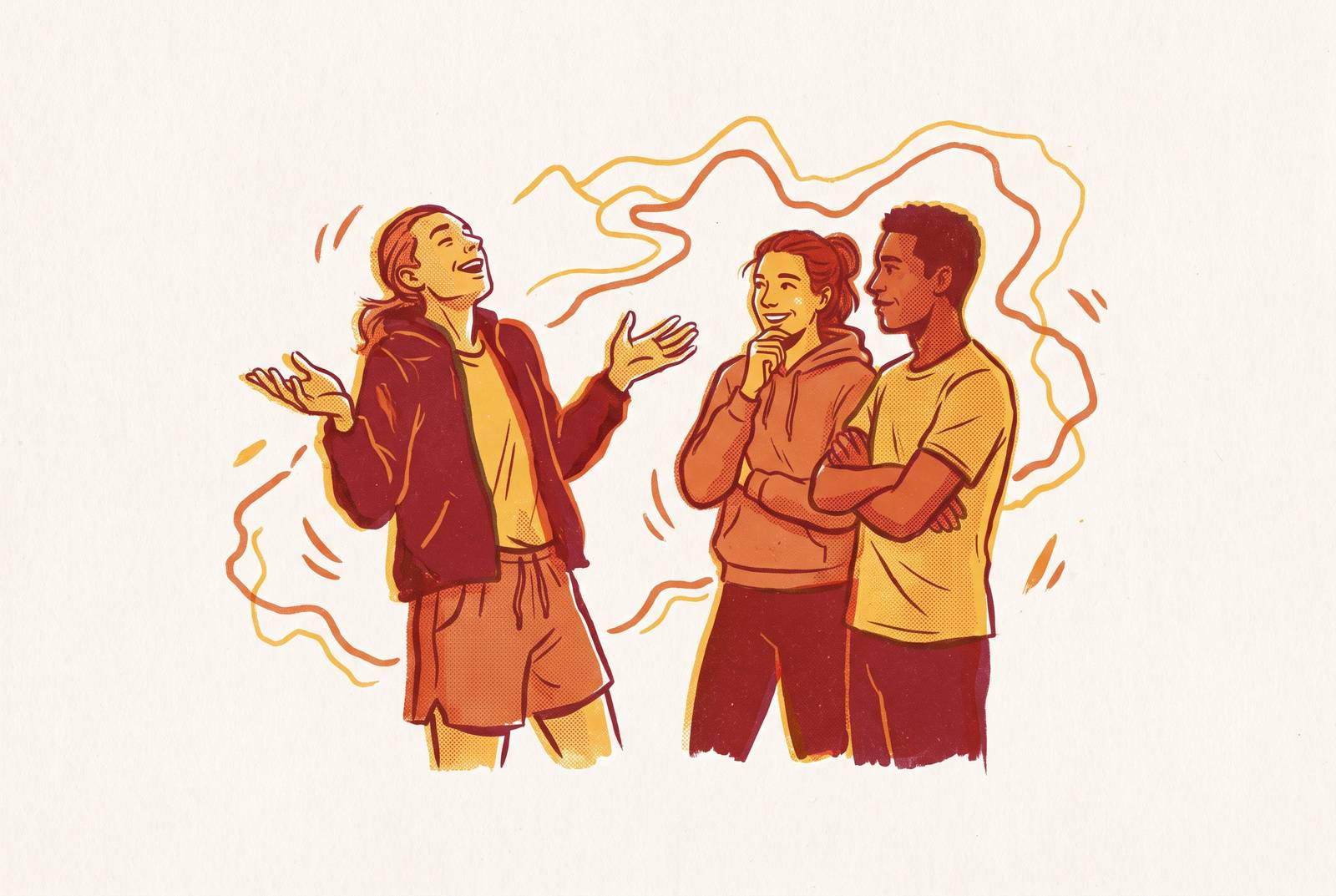
Two runners are already mid-sentence, with the finish line still in view behind them. “I turned it into a tempo” meets “I was hoping for a PB.” The conversation moves from the result to the hills, then to an IT band that started acting up again. Neither runner needs to explain why these details belong together. They are using a compact vocabulary that makes a long, demanding experience immediately intelligible.
Each phrase gives the listener a different way into the race. Tempo names a pace strategy, PB names a goal, and the hills name a difficulty shared by everyone on the course. The IT band brings the body into the account, while a question about running the whole thing makes completion itself the subject. These are not interchangeable remarks about whether the day was good or bad.
That precision is what allows the debrief to begin so quickly. The runner can name the gap between what they hoped for and how they did without first describing the whole training block. A few familiar words tell the listener what the runner tried to do and where the day changed. The listener can follow because the terms already carry a common frame of reference.
Why this vocabulary is shared, not personal
That common frame is built long before race day. Runners plan vacations around race schedules, wake at five in the morning for long runs and fit their social lives around tempo Tuesdays. Training occupies time, but it also gives that time a recognizable order. In this culture, preparation is not separate from identity. The habits through which runners prepare are also part of what makes them runners.
The training block gives this identity a shared architecture. Easy runs, intervals, tempo sessions, long slow distance and the taper are each a different part of the buildup. Runners can have different goals and still describe their preparation in the same structural terms. Consequently, a post-race reference to training connects the finish to a sequence that other runners already understand.
Runners can sustain a conversation about hills because terrain is a feature against which different experiences can be compared. One runner’s account remains personal, but the language makes it available to others. Runners use these words knowing what a race asks of them, what it takes to prepare and why a finish is worth celebrating.
What retelling actually does — how talking about a race absorbs what it meant
The runner has completed a physical event, but the event’s meaning is not settled by its completion. A result states what happened in one measurable sense without explaining its place in a person’s life. Retelling connects the result to the intention, the preparation and the circumstances of the day.
The distinction matters because a race contains several kinds of meaning at once. It is an effort made by a body, an outcome measured against a goal and an experience within a running community. It also belongs to a personal narrative that began before the start line. A retelling sorts these layers by giving each a place in the account. What first appears to be a collection of remarks about pace and discomfort becomes an explanation of why the race mattered.
ASICS Runkeeper frames post-race reflection explicitly as learning. Its prompts ask what went well, what the runner wishes had gone better, whether they had cramping and which miles were harder physically or mentally. Those questions also come up naturally when runners talk after a race. They move the talk from how the runner did overall to what was hard and what went well.
ASICS Runkeeper coaches describe the post-race celebration as “a ritual for runners” and “a great time to connect with your running community and reflect on everything that went into your training.” Connection and reflection are therefore part of the same act. Even the injury mention has a role beyond complaint. It accounts for the gap between what the runner trained for and what the day delivered. This is narrative repair, an effort to make sense of an unexpected result within the story.
The tension inside "it's just about finishing"
That effort is especially clear when runners talk about time. The claim that finishing is what matters can sit next to a detailed account of a missed target or a qualified personal best. Runners say finishing is enough, yet still feel the need to explain their time.
“It was a PB but…” exposes the tension in a particularly compressed form. A personal best names an achievement, yet the qualifier immediately asks the listener to consider why it was not enough. The phrase can irritate fellow runners because it appears to withhold recognition from the very success it announces. The social expectation favors an unqualified PB. The runner may still be unsure how to feel about it.
“I turned it into a tempo” approaches the problem from the opposite direction. Instead of qualifying a successful result, it recasts a disappointing time as a deliberate change of purpose. The clock remains unchanged, but the runner regains agency within the telling.
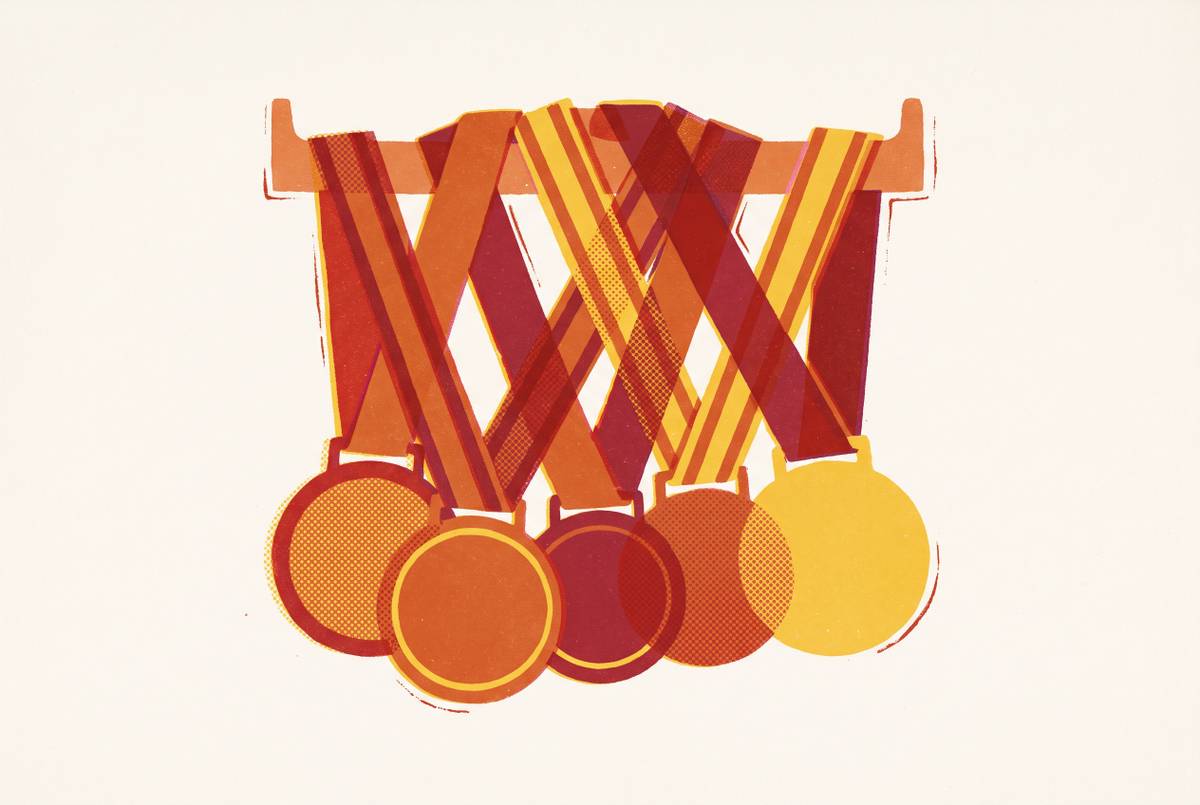
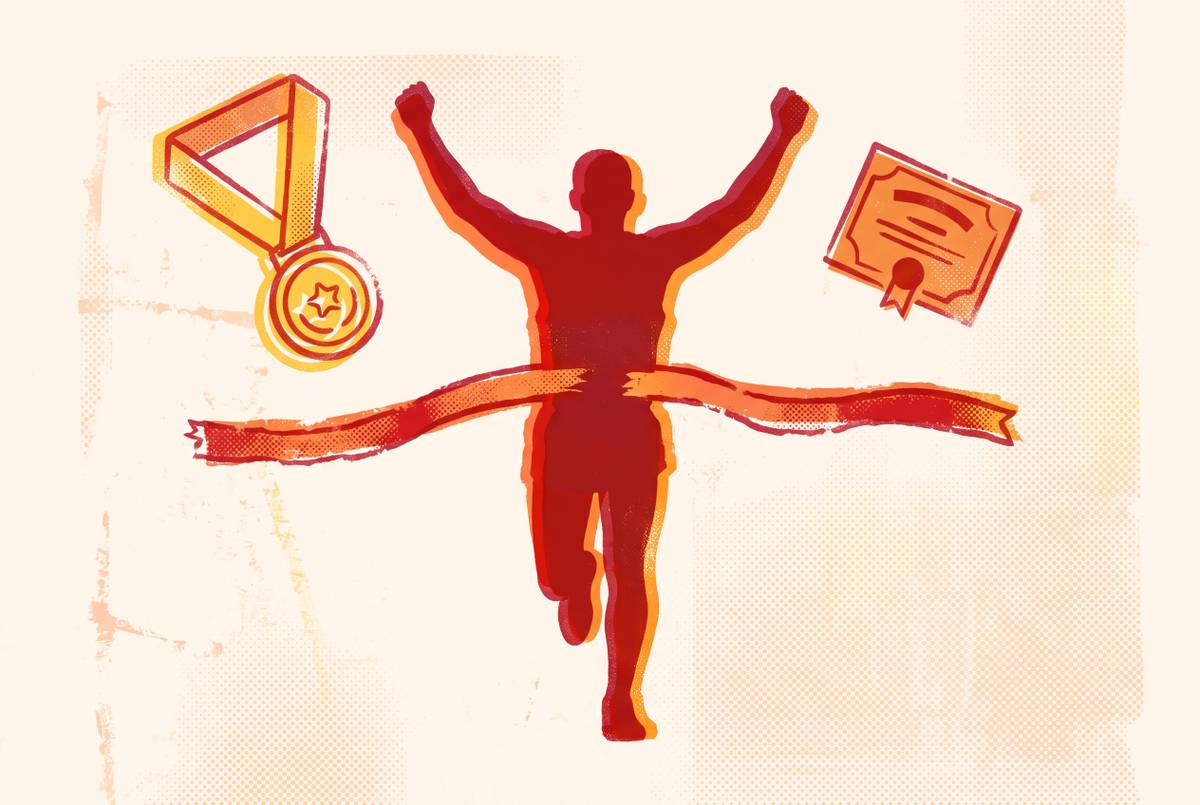
Finisher medals give the contradiction physical form. Distinct from a winner’s podium medal, a finisher medal carries no time and celebrates the distance completed. Yet runners also personalize commemorative objects with the finish time that their language sometimes pushes into the background. Finishing last can be understood as a victory over personal limits. That understanding does not make the clock irrelevant, and the conversation remains interesting precisely because both measures still matter.
How the finish line loops back to the start of the next story
“Now what?” changes the direction of that conversation. For months, the race has occupied a place on the calendar, giving the training block a destination. Once it is over, that destination becomes a gap. The question asks what can follow the result.
“I think I want to do a marathon” can therefore belong to the same exchange as the finish-line debrief. Motivation in the moments after a race can make a first marathon seem like the next goal. The account of what has just happened begins to contain a statement about what has not happened yet. Retelling is generative because the explanation of one effort helps give the next effort its shape.
The shift also gives the tension over time somewhere to go. A disappointing result can be part of the story of the next attempt, with more still to come. Runners can also be happy to finish and still want to do differently next time. “Now what?” allows both positions to remain true without forcing either one to win the argument.
That forward movement does not require an immediate return to training. ASICS Runkeeper advises runners to take time to let the achievement sink in because it will help them avoid burnout in the long term. Celebration and ambition are not competing responses. Marking the finish acknowledges what happened, while the next sign-up leaves open what might happen differently.
Why the retelling increasingly takes physical form
The spoken account also finds a more lasting form in objects. A finisher medal can recall the weather, a friend who ran alongside or the personal circumstances that made a particular race meaningful. The metal gives those details a durable point of return. What appears to be a record of completion becomes stored narrative.
Holding and sharing are connected functions here. The object preserves something for the runner while also making it available to someone who recognizes the effort. In this respect, it works much like the shared vocabulary. Both allow a larger experience to be carried in a compact form.
With GPS, runners can keep that story in more than a standard medal. A wearable records the route, and a GPX or Strava activity can supply the basis for a permanent spatial record. RunMapArt offers personalization using Strava or GPX files for any run, including the athlete’s name, distance, time and date. MyAdventureMaps accepts an uploaded GPX activity without requiring the race to appear on a predefined list. The runner’s own record can therefore become the starting material for the commemorative object.
Runners can now mark their race this way however well known it is. A first local race can supply the same kind of GPS file as a world major. Its route can be made into a custom map print, embroidered route art or 3D-printed Strava art. These forms give the verbal account a spatial or tactile counterpart. The route shows where the effort happened, while the finish details attach it to a particular runner and day.
Wearable commemoration carries the same impulse into a different form. Embroidered custom marathoner sweatshirts and personalized runner towels make race identity part of an object that can be used. The choice of material changes how the record is encountered. A route on a wall and finish details on a sleeve both preserve a selected version of the race.
What the finish line is actually the beginning of
Taken together, the debrief, the commemorative object and the next sign-up describe one continuing process. The finish establishes that the physical task is complete, but it also makes the preceding months available for interpretation. Training that once pointed toward an uncertain outcome can now be understood in relation to what happened. The runner has a result, but also a new way to describe the preparation. Meaning begins to accumulate around that relationship.
For marathon runners, the experience can become a personally transformative journey involving self-discovery, emotional catharsis and the pursuit of life challenges. That significance is larger than a time or a distance, although both remain part of it. The shared vocabulary gives the first draft of the account. Later training and the objects kept from the race provide occasions to return to it. The story can change in emphasis without ceasing to belong to the same finish.
This is why the medal or print is more than a souvenir of a day. It holds a place for an experience whose meaning can outlast the soreness and continue beyond the next race. Running is part of who runners are. Every retelling therefore says something about the runner as well as the event. The finish line is where the race stops and the work of understanding it begins.