The Makers Behind Custom Course Map Embroidery and How Miles Before Glory Runners Find Them
Runners commission custom embroidered course maps to wear their achievement as a daily reminder.
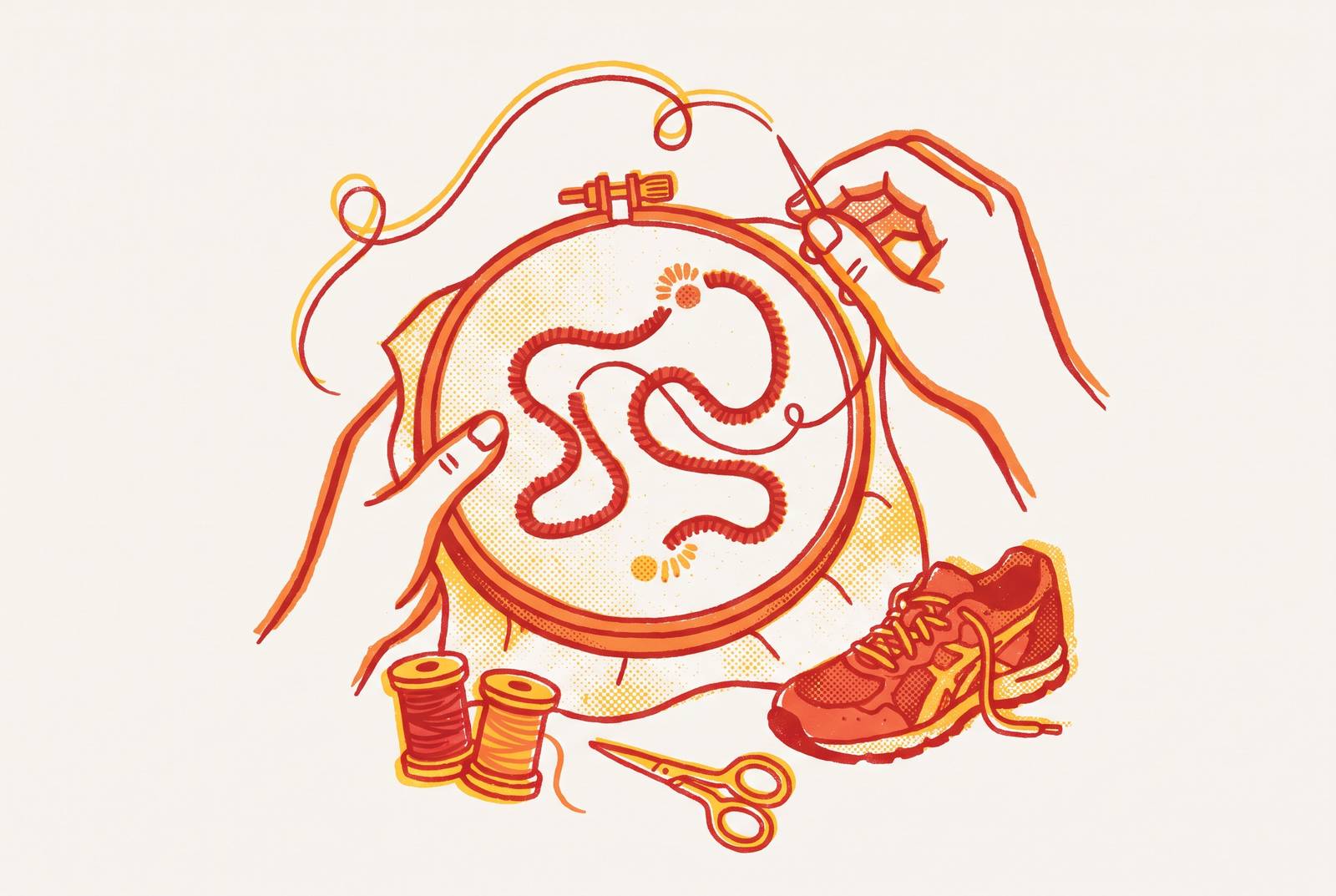
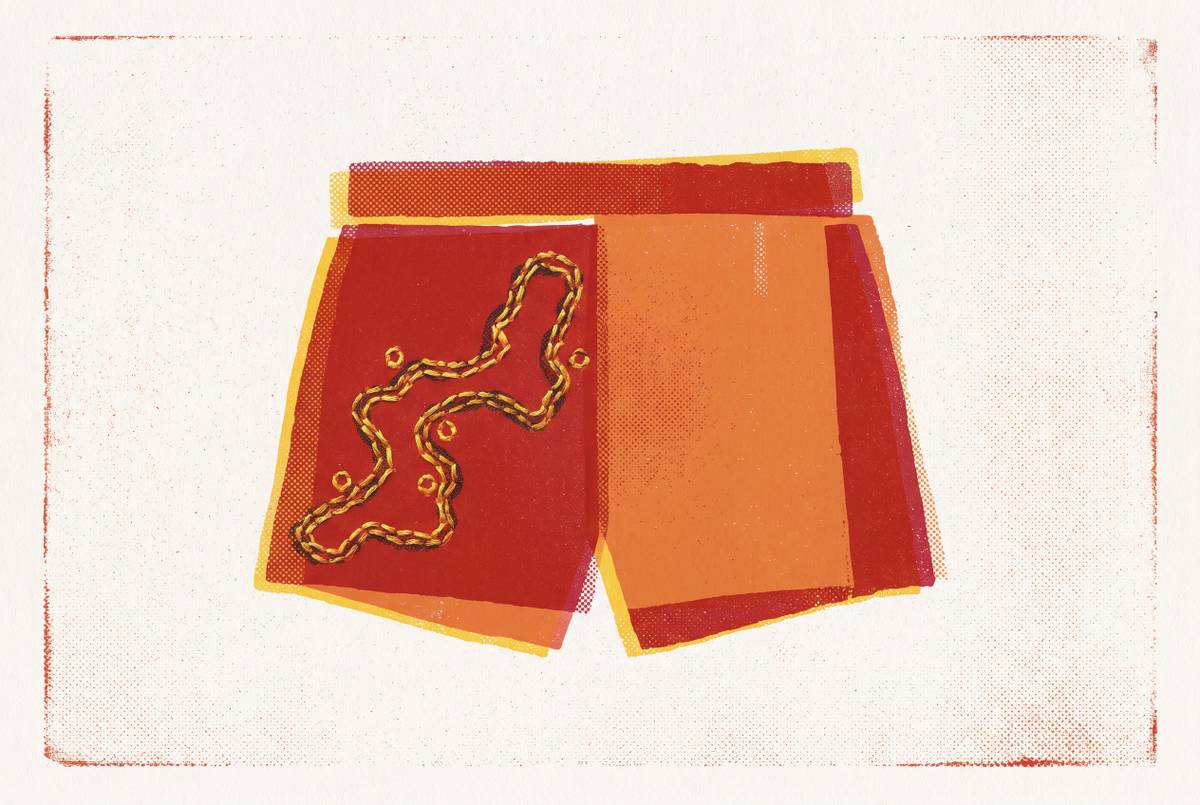
Custom course map embroidery uses thread on fabric to show a runner’s GPS route in place of a printed graphic. For custom running shorts with an embroidered race route, start with a bespoke textile maker who can say whether they make those shorts, take the route data, and send a proof before stitching. The listings described here establish course-map embroidery as an option, but do not establish a named supplier of embroidered running shorts.
Why runners want an object that shows the route they actually ran
At the finish line, the medal marks an accomplishment, but it cannot show the months that made the finish possible. The medal shows little of the long runs, weeks of training, and choices made before the start. The celebrated part lasts only one day. A physical artifact gives that longer effort a place in daily life, whether displayed on a wall or worn on a later run.
The object links the achievement to the runner’s own recorded activity as well as to the event everyone entered. Specificity gives the keepsake its personal significance. The course shape helps the runner see the work behind the finish, even after the first feeling of achievement has faded. For runners drawn to the idea of miles before glory, that distinction is the reason to commission the piece.
What GPS data actually is and why it is the raw material for this category
A smartwatch, GPS device, or tracking service such as Strava or Garmin records the route as a track of GPS points, with timestamps and elevation. Common activity-file formats include FIT, TCX, and GPX. The maker uses that recorded line as the basis of the design, so the starting point is the activity itself.
The handoff depends on the maker’s ordering process. Some accept a file upload, some work from a public Strava activity link, and others support a Strava or Garmin account connection. Mrkyourmoment’s marathon print listing describes a direct version of this workflow, with a file upload or public activity link supplying the data. The runner does not need to draw anything. Race name, date, finish time, distance, and bib number can then supply the additional personalization where the product supports it.
For gift-givers, access to that activity is the practical dependency. A runner who uses Garmin or Apple Watch instead of Strava may need to export a GPX file themselves before the maker can start. The tracking setup therefore affects the handoff. It is also what makes a smaller local race or an ordinary training route suitable for a commission, because an uploaded GPX file can provide a route that is absent from an event library.
How embroidery differs from printed course art as a medium and what that means for the maker's process
Printing turns the GPS line into a graphic rendered in ink or supplied as a digital file. Embroidery turns it into a stitch path. That difference makes embroidery a fabrication process, with design digitization, material choice, and production work specific to the route. A poster and a textile piece may depict the same activity, but the work needed to make them is not interchangeable.
Machine embroidery and hand embroidery both belong in this category. Even when a machine does the stitching, digitization and setup still take skill. Hand embroidery requires more time and typically has a longer production window. Neither method is inherently the correct choice. Both put work into the physical object beyond preparing a graphic for a print or download, which gives the finished piece a different relationship to the effort it commemorates.
Landmarks, icons, and local symbols can make an embroidered piece a record of the places the runner passed as well as the performance recorded there. Buyers need to discuss those details with the maker, since they are not part of every commission. The medium allows that additional specificity. Thread looks different from ink, and part of its appeal comes from the choices the maker makes at each step of turning the route into stitches.
The proof makes those decisions visible before production. Makers send a preview so the buyer can review the design before it is stitched, when changes are still possible. The proof is a quality signal. Unlike revising a graphic for a reprint, correcting an embroidered design cannot be treated as a simple change after stitching. For a garment commission, buyers should discuss the proof when they first ask whether the maker offers the type of textile they want.
The makers who do this work and what each one actually offers
Buyers can choose from GPS-to-art platforms and individual sellers who make bespoke pieces. Mrkyourmoment provides a streamlined route-data workflow for prints, while Etsy brings together textile embroidery, posters, and engraved pieces. A buyer who wants running shorts needs to commission a textile piece, while someone who wants a framed route may find what they need in a platform’s range. A search for a course map can turn up either kind.
The Rome Marathon 2026 course-map offering is named “Rome Marathon Print.” Its formats include Framed Black, Framed White, Framed Natural, Canvas, Unframed Poster, and Digital Download. Size options run from 5x7" through 50x70cm, including A4, 8x10", 11x14", and 30x40cm, with availability varying by format.
“Any Marathon Course Map and Photo Print” combines the runner’s race-day photograph with the course map, placing the photo behind the route. It offers the same format and size range. Its live editor preview is final and cannot be changed after purchase, so the ordering workflow places design review before payment. “Any Run or Marathon Custom Route Print” extends the subject beyond official marathons to other distances and training routes. It uses the same GPX or Strava workflow and format range, with uploaded GPX data supporting local and smaller races.
Etsy’s marketplace data shows more than 5,000 listings for marathon race routes in a range of formats. That breadth includes true textile embroidery, but the total is not an embroidery-only count. “Embroidered Race Map Marathon Running Gift” is a textile embroidery product with a small number of reviews. It establishes a relevant product type for buyers seeking stitched route art. The available details do not specify running shorts, an exact price, or an exact review count, so it cannot be presented as a confirmed garment supplier.
“Custom Marathon Map | Personalized Running Gift | Race Route Finisher Achievement Poster | Triathlon Wall Art” is a poster listing offered at a reduced sale price, with over a hundred reviews and free shipping. “Personalized Marathon Map – Custom 3D Engraved Race Route” is also offered at a reduced sale price, with over a thousand reviews and free shipping. “Personalized Marathon Map Print, Custom Race Poster, Runner Dad Gift (Digital Download or Print)” offers the formats named in its title, with a reduced sale price, a small number of reviews, and free shipping.
The supplied listing details do not give exact current prices, original prices, or exact review counts for these products. The useful distinction is instead what each title and description actually establish, namely textile embroidery, a printed graphic, a photo-and-route composition, or a 3D engraved object. None of those descriptions alone establishes an offer to stitch a marathon route onto running shorts.
What separates embroidered textile pieces from printed alternatives when a buyer is deciding
The first decision is what the finished object should do. Prints and framed pieces are display items, while embroidery can go on fabric that gets used. Engraved pieces give buyers a choice that is more like a sculpture. For a runner seeking personalized athletic shorts as a keepsake, wearability is therefore a requirement of the commission.
Archival inks on 200gsm paper are designed to last, while thread on fabric ages differently. Neither is automatically the better keepsake. A framed print suits a permanent place on a wall, whereas an embroidered textile can keep the route in use.
Timing and price follow the production method. Digital downloads are instant, while custom or manual print designs take a few business days. Embroidered pieces require digitization and stitching, with a proof adding a round of communication before shipping. Hand embroidery typically takes longer still. Across the category, downloads occupy the lower price range, unframed and framed prints sit in the middle, and embroidered textiles and 3D engraved pieces sit toward the higher end, reflecting differences in labor and materials.
Those trade-offs explain why embroidery is not simply a more elaborate substitute for a poster. The time spent making it is part of what the object communicates, while a print offers a faster, more standardized route to a display piece.
How do buyers find a maker, send the route, and check an order for embroidered running shorts?
For buyers ready to order, the search should distinguish the desired medium from the subject of the design. Mrkyourmoment is a starting point for official event routes and a streamlined GPX-to-print workflow. Etsy is a starting point for individual textile makers and a wider range of formats. Search terms including “embroidered race map,” “custom marathon map,” and “running map marathon” surface relevant listings. For running shorts specifically, the next step is to ask a bespoke textile maker whether that garment is within their offer, rather than treating every course-map result as a wearable product.
The route handoff comes before detailed personalization. Buyers should have the GPX file or a public Strava activity link for the specific run, plus the race name, date, finish time, distance, and bib number where supported. Gift-givers should establish the runner’s tracking setup early. If the runner uses Garmin or Apple Watch, exporting the GPX file before approaching the maker avoids leaving the essential input unresolved.
Before committing, buyers should confirm that an embroidery proof is included and compare production and shipping times with the date the gift is needed. Stitching cannot be revised like an editable preview. For live-editor products, the distinction is especially important because the preview may be final at purchase, as it is for the photo-and-route print. Format and size also need to be settled before ordering, whether the result is framed, unframed, canvas, digital, or a maker-confirmed textile commission.