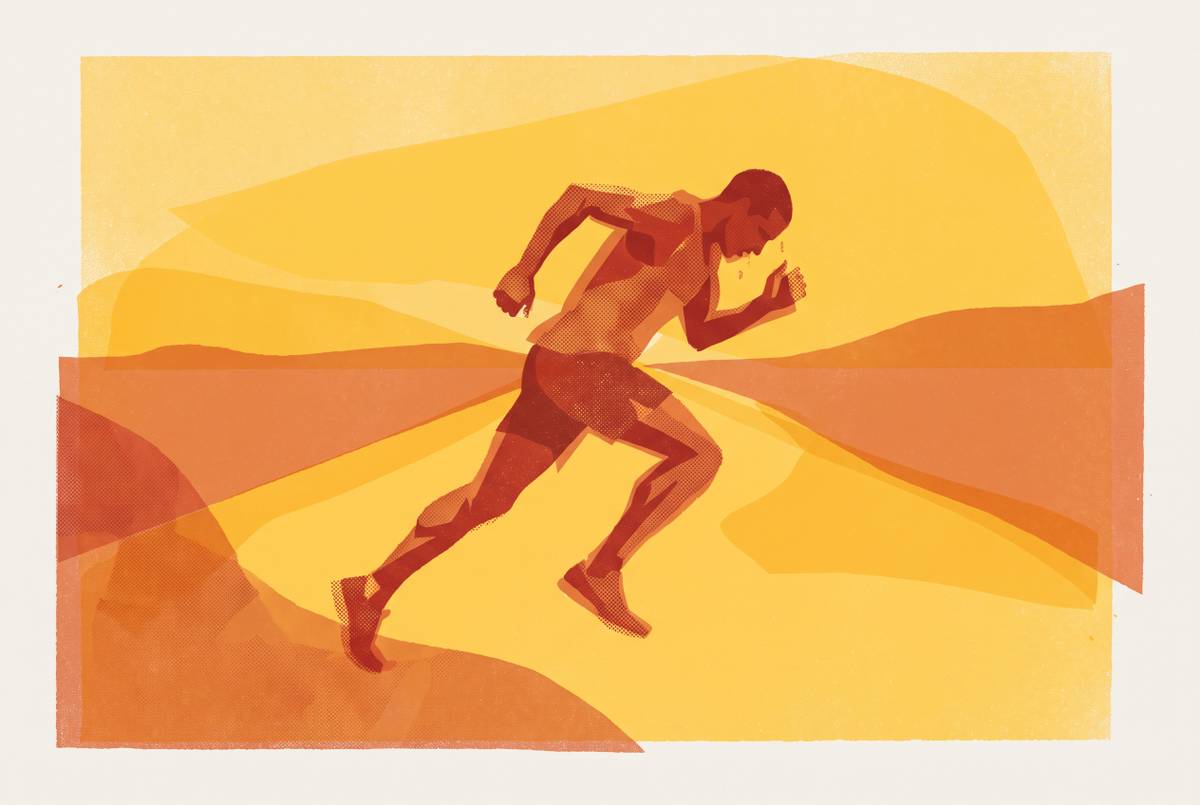
The BQ Attempt as a Running Obsession
The months of training reshape daily life before the qualifying time ever arrives.
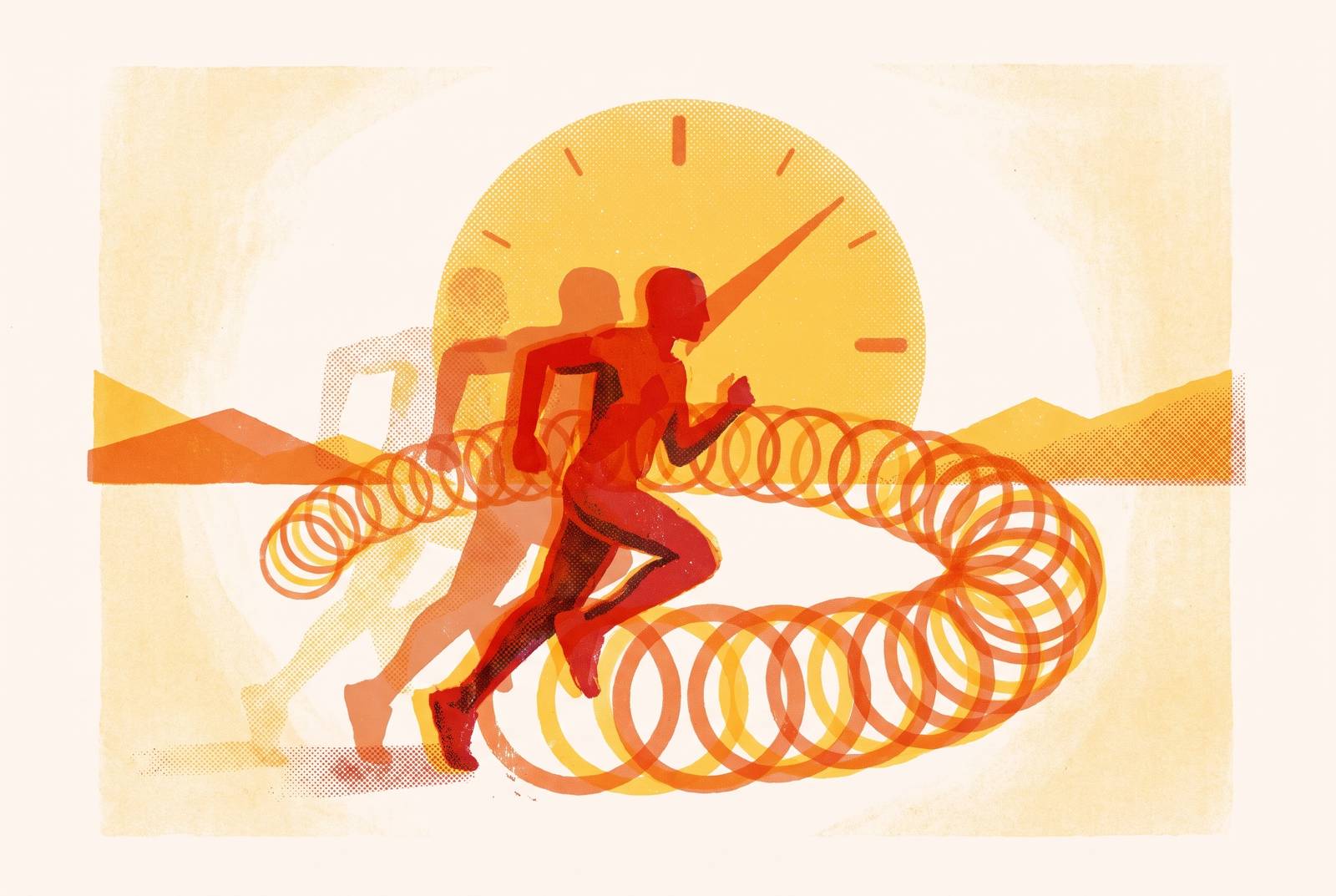
Chasing a Boston qualifier can reorganize a runner’s life long before it produces a qualifying time. The BQ attempt becomes an obsession because a public standard acquires private significance through months of training, recovery, and deferred plans. What deserves recognition is not only the result, but the particular life built around reaching it.
Why the BQ sits at an unusual intersection of attainable and brutal
Runners must earn a certified qualifying time against standards set by age and gender, including a non-binary category. Even then, meeting the standard establishes eligibility to apply. When more runners apply than there are places, those who run faster relative to their standards get in. The qualifying table is therefore only the first threshold.
That distinction changes the practical training target. A runner planning for a BQ may subtract five to seven minutes from the published standard to allow for the acceptance cutoff. For the 2026 race, runners needed a buffer of several minutes below standards that had already been tightened. For 2027, a record number of runners applied for roughly 25,630 slots, and thousands who had qualified were left without places.
The goal remains plausible for ordinary runners, however demanding the preparation. That balance gives it unusual force. A bucket-list finish asks whether a runner can cover the distance, while a BQ asks whether they can run it fast enough to meet a competitive threshold. For many runners, the answer takes multiple years to establish. The objective is fixed enough to organize training but difficult enough to resist a single attempt.
How a goal that lives on a spreadsheet becomes a way of life
Once that target is in a training plan, it starts to shape choices outside running. Sleep becomes part of recovery, meals support the next session, and social plans compete with weekend long runs. Work schedules must make room for training blocks as well as the odd chance to exercise. The spreadsheet reaches into the rest of the week. What began as a calculation of pace becomes a framework for allocating time and attention.
A standard BQ cycle runs 16–20 weeks, with periodized base, strength, and sharpening phases. The cycle entails roughly four to five months of sustained reorganization before race day. During that span, early mornings and missed social events can stop registering as individual sacrifices. They become the expected shape of the day. Other choices are increasingly judged by whether they support the runner’s training.
This is where commitment becomes a way of life. A social invitation is no longer considered only on its own terms when the next morning contains a long run. Rest is no longer just what happens after work when recovery has a place in the plan. The running log, whether digital or physical, records the training produced by those decisions. Its entries also trace a life organized around one target, even when they contain nothing more elaborate than miles and notes about how a run felt.
Why this generation of runners is especially susceptible to BQ-level obsession
For younger runners especially, an athletic goal they can measure can feel appealing when the usual markers of adulthood are less certain. The standard is clear, and training gives them something concrete to do. Progress has a number attached to it. In that setting, the apparent bargain of training harder, running faster, and earning entry can feel unusually direct. The runner does not need to resolve every uncertainty in life to know what the next training session is for.
Yet the promise of control is incomplete. A runner can organize the preparation but cannot control the qualifying pool or the eventual acceptance cutoff. That tension can deepen the fixation rather than weaken it, because merely meeting the published standard may not feel sufficient. The running boom after COVID has brought more runners into the chase for a qualifying time. As more runners compete for the available places, the practical target can recede even while an individual runner improves.
The BQ also makes achievement publicly legible in a way many personal goals are not. Finish times are on record for good, where anyone can see and compare them, so the runner’s own view is only one way to judge the result. Ethnologist Martine Segalen described the start line as giving meaning to all the training that came before. For the runner pursuing it, qualification promises both a private reckoning with the work and a public sign that the work reached a recognized standard.
The wall at mile 18 and what it reveals about what a runner actually wants
Ben Mark took a DNF. At mile 18 of the 2019 Philadelphia Marathon, he saw the pace group for his target pass and walked off the course. A finish without the qualifying mark was not the outcome he had come to secure. His decision shows that he was attempting to prove something through the marathon.
A runner who has trained to cover the distance still has a finish available, but the obsession can strip that finish of its intended meaning. The clock’s measurement has become a verdict. In that frame, a missed BQ can seem to invalidate the preparation instead of simply describing the performance achieved that day. The severity of the reaction reveals how much has been entrusted to one result.
The same urgency can undermine the preparation itself. Sports physicians describe the injury pattern that follows when training volume grows faster than the body can adapt. Targets that are too large, too soon, or too urgent encourage a timetable that commitment alone cannot make workable. Greater determination does not remove that constraint. The attempt can become self-defeating when the need to reach Boston quickly overtakes the ability to build toward it.
The counterforce is not necessarily abandoning the goal. For most runners who eventually BQ, any one race is part of a pursuit spanning multiple attempts. Instead of being the final judgment on the runner, it becomes one result within an unfinished pursuit. Runners can still aim high without asking every marathon to prove that the work before it was worthwhile.
What the training weeks add up to, and why they matter as much as the race
The training has value independent of that eventual judgment. Tempo runs, long runs in bad weather, skipped plans, and the negotiation between exhaustion and commitment both prepare the runner for race day and constitute the experience. Race day concentrates those weeks into a result. It cannot contain everything that happened within them. Treating the buildup only as a means to qualification overlooks most of the time the runner actually spent pursuing the goal.
The training log preserves a different kind of account. Miles and heart rates sit beside observations about how a run felt on a given Tuesday. Those details distinguish one training cycle from another even when both aim at the same standard. They also retain what a finish time leaves out. The result describes a performance over the qualifying course, while the log records the repeated work required to reach that opportunity.
Segalen’s framing explains why a start line can give the preceding training a sense of coherence. A runner who misses the standard still completed the training recorded in the log.
That distinction also changes what is worth preserving. A finisher’s medal recognizes completion, but it cannot be the only adequate record of an attempt defined by so much more than its final day. The training course, the qualifying route, and the accumulated weeks each identify a different part of the runner’s experience. For those who eventually reach the start line in Hopkinton, that history may include several attempts. An exact keepsake can give those details a lasting form without reducing them to the final successful time.
How runners mark a BQ — and why most of what exists falls short
Shadow boxes bring objects from race day together in one place. A bib, medal, photograph, and course map can document the event and preserve items that would otherwise remain separate. Their strength is the relationship between those objects. Their limit is that the visible account usually begins and ends with the race. The weeks that made the finish possible remain outside the frame unless they are deliberately included.
Personalized route map prints bring a different kind of precision. Made from GPS data, they preserve the exact course recorded by the runner and turn it into something frameable. The course may be shared with other participants, but the underlying record belongs to that runner’s effort. This moves the keepsake closer to a particular experience rather than a general celebration of marathon running. But a qualifying-race map tells only part of the story if it leaves out the training.
Race-date sweatshirts, personalized running caps, and embroidered towels make appealing gifts for runners because stitching feels personal and as though it will last. These objects need not stay on display. They can remain part of ordinary life, although a date or event name alone does not capture the specificity of the buildup.
The gap is therefore not simply between framed and wearable keepsakes. It lies between recording an event and recording the path to it. A keepsake drawing on the runner’s own GPS data can include a training route as well as the qualifying course. The miles logged and the weeks spent training can add more than race day to that account. For a gift-giver, those details acknowledge the sustained commitment that a congratulatory message about the finish can only suggest.
Why the BQ carries meaning that survives the race and belongs on something worn
A qualifying standard is public, a buffer is mathematical, and a cutoff is impersonal. None tells the story of the weeks a runner built around the attempt. In those weeks, the goal came to mean so much through choices made again and again until they became routine. The eventual artifact should preserve that distinction. Its purpose is not to make the official result more impressive, but to retain the personal history the official result cannot express.
Something worn gives that history a place in the runner’s continuing life. A medal can recognize the finish without distinguishing how long the pursuit took or what it cost. A garment bearing a particular route or the details of the training can recognize the effort without needing to reproduce the authority of the medal. The two serve different purposes. One marks an event, while the other can keep a record of the commitment close at hand.
A keepsake recording the obsession behind a BQ attempt can honor a successful qualifier without implying that unsuccessful attempts were empty, because its subject is the work the runner actually completed. Given to the person who ran it, that specificity makes recognition tangible. Worn on the next long run, the familiar course belongs to the present again, stitched into something that leaves the house.